
These low calorie protein peanut butter cookies are soft in the middle, lightly crisp around the edges, and packed with peanut butter flavor without relying on loads of butter or sugar.
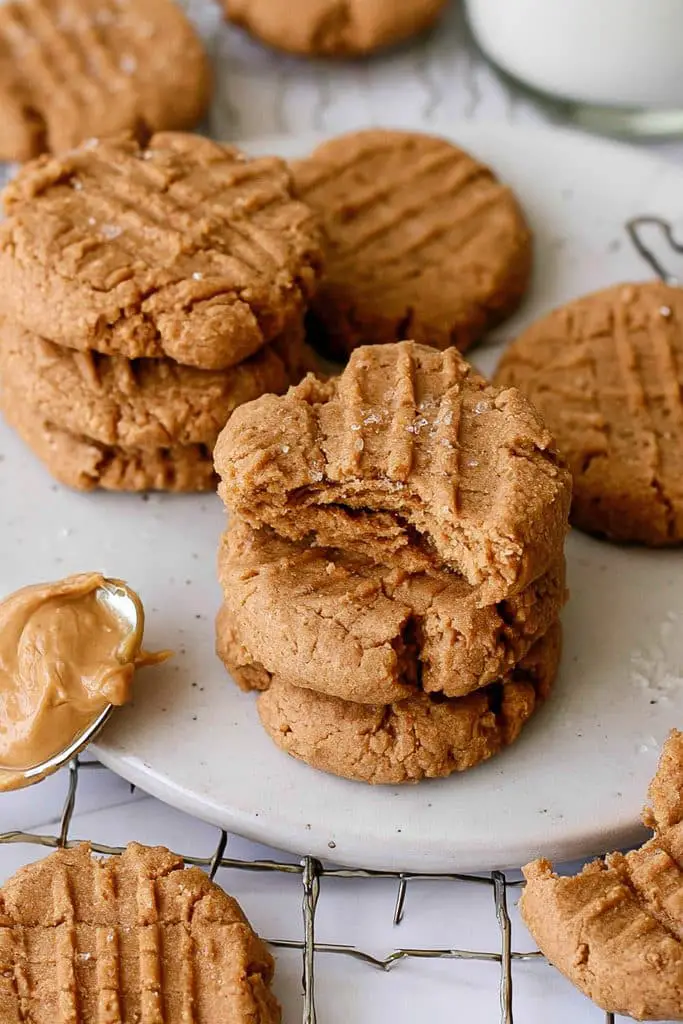
The best part? You can make them with a handful of everyday ingredients, including peanut butter, protein powder, and a little natural sweetness. They’re a lovely option for an afternoon snack, a quick bite after a workout, or a healthier treat to enjoy with your morning coffee.
If you’ve tried protein cookies that turned out dry, chalky, or oddly chewy, don’t worry. This recipe keeps things simple, with a few little tricks to help your cookies stay tender and delicious.
Why You’ll Love These Cookies
- Lower in calories: Smaller portions and a lighter ingredient combination make it easier to enjoy a sweet treat.
- A protein boost: Protein powder and peanut butter help increase the protein content.
- Simple ingredients: No complicated baking techniques or hard-to-find ingredients are needed.
- Easy to customize: Add cinnamon, a few chocolate chips, or a pinch of sea salt to make them your own.
- Great for meal prep: Bake a batch ahead of time and keep a few ready for busy days.
Keep in mind that “low calorie” depends on the serving size and ingredients you choose. Peanut butter is nutritious but calorie-dense, so measuring it carefully makes a real difference.
Ingredient Notes & Substitutions
PEANUT BUTTER: You’ll need about ½ cup of smooth peanut butter for a batch of these cookies. Natural peanut butter with peanuts as the main ingredient works well, especially when it’s thoroughly stirred before measuring. Choose a fresh jar with a pleasant roasted-peanut aroma. If you prefer a lower-fat option, powdered peanut butter reconstituted according to its package directions can work, although the cookies may be less rich and need adjustments to the moisture.
PROTEIN POWDER: About ½ cup of vanilla protein powder gives the cookies extra protein and a gentle sweetness. Choose a powder you already enjoy drinking because its flavor will come through in the finished cookies. If yours is unflavored, you may want to add a little extra vanilla and adjust the sweetener to taste.
EGG WHITE: One large egg white helps bind the mixture without adding the fat found in a whole egg. Choose a fresh egg and separate it carefully so no yolk slips into the white. For an egg-free version, try about 1 tablespoon of ground flaxseed mixed with 2½ tablespoons of water, then let it thicken for several minutes. The resulting cookies may be softer and more delicate.
SWEETENER: Two to three tablespoons of a granulated zero-calorie baking sweetener, such as erythritol or a suitable baking blend, can provide sweetness without much additional energy. Check the label because some blends are sweeter than others, and some leave a cooling aftertaste. You can use regular sugar or brown sugar instead, but the calorie count will increase.
VANILLA EXTRACT: Pure vanilla extract is lovely, but a good-quality vanilla essence also works. If your protein powder is already strongly flavored, you can reduce the amount slightly.
BAKING POWDER: Half a teaspoon gives these cookies a little lift, helping prevent them from becoming overly dense. Check that your baking powder is fresh and hasn’t been sitting open in the cupboard for ages. There isn’t a perfect substitute in this particular recipe, so it’s best to use it if you have it.
WATER OR UNSWEETENED ALMOND MILK: Keep about 1-3 tablespoons nearby to adjust the dough. Protein powders absorb moisture differently, so you may not need any at all. Add the liquid a teaspoon at a time until the mixture holds together without becoming sticky or runny.
Step-by-Step Instructions
1. Preheat the oven and prepare your tray.
Preheat your oven to 350°F (175°C). Line a baking tray with parchment paper so the cookies won’t stick. If you’re using a fan-assisted oven, keep an eye on the baking time because the edges can brown more quickly.
2. Mix the wet ingredients.
Add the peanut butter, egg white, vanilla extract, and sweetener to a medium mixing bowl. Stir until the mixture looks smooth and creamy, with no visible streaks of egg white. If your peanut butter is particularly thick, give it an extra minute of mixing.
3. Add the dry ingredients.
Stir in the protein powder, baking powder, and salt. The dough should be thick enough to scoop and shape. If it crumbles when pressed between your fingers, add water or unsweetened almond milk a teaspoon at a time. Stop as soon as the dough holds together.
4. Shape the cookies.
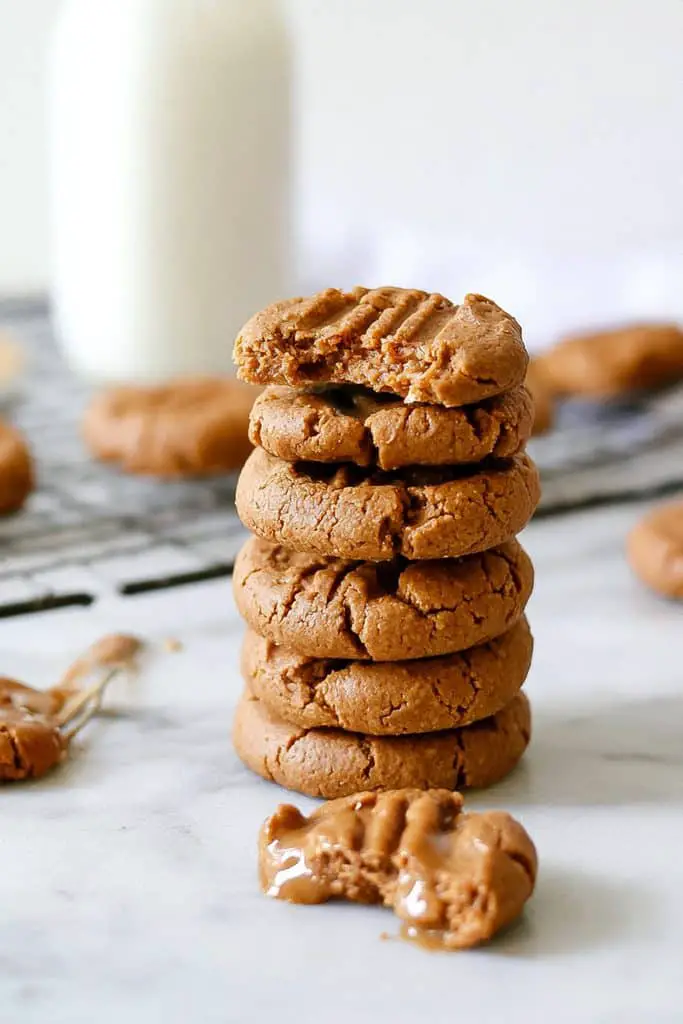
Divide the dough into 12 equal portions and roll each into a small ball. Arrange them on the tray, leaving a little space between each one. Gently flatten with a fork to create the classic crisscross pattern. These cookies won’t spread as much as traditional butter cookies, so shape them about as thick as you’d like them to be when baked.
5. Bake until just set.
Bake for about 8-10 minutes. The edges should look set, while the centers may still appear slightly soft. Don’t wait for them to turn dark brown; protein powder can dry out quickly when overbaked.
6. Cool and enjoy.
Leave the cookies on the baking tray for about 5-10 minutes before transferring them to a cooling rack. They’ll firm up as they cool, so resist the temptation to move them while they’re hot. Enjoy them slightly warm or let them cool completely before storing.
Expert Tips
- Choose smooth peanut butter: It distributes more evenly through the dough and makes shaping the cookies easier.
- Measure your protein powder: Too much can leave the cookies dry and crumbly, especially with plant-based powders.
- Add liquid slowly: Start with a teaspoon at a time instead of pouring in several tablespoons at once.
- Make the cookies evenly sized: A small cookie scoop helps all 12 cookies bake at roughly the same rate.
- Don’t overbake: Take them out when the edges are set, even if the centers still feel soft.
Storage & Make-Ahead
Once your low calorie peanut butter cookies have cooled completely, place them in an airtight container. They’ll generally keep well at room temperature for about 2-3 days in a cool, dry kitchen, or for up to a week in the refrigerator. Because the recipe uses egg white, refrigeration is a sensible choice for longer storage.
For longer-term storage, freeze the cooled cookies in a freezer-safe container with parchment paper between the layers. They’ll keep their best quality for around 2 months. Let them thaw at room temperature for about 20-30 minutes before serving.
If you enjoy warm cookies, heat one in the microwave for just 5-10 seconds. Longer heating can make protein-rich baked goods tough or rubbery, so use short intervals.
You can also prepare the dough a few hours ahead and refrigerate it in a covered bowl. If it firms up too much, let it sit at room temperature briefly before shaping. For convenient meal prep, bake the full batch, portion the cookies, and freeze what you won’t eat during the first few days.
What to Serve With
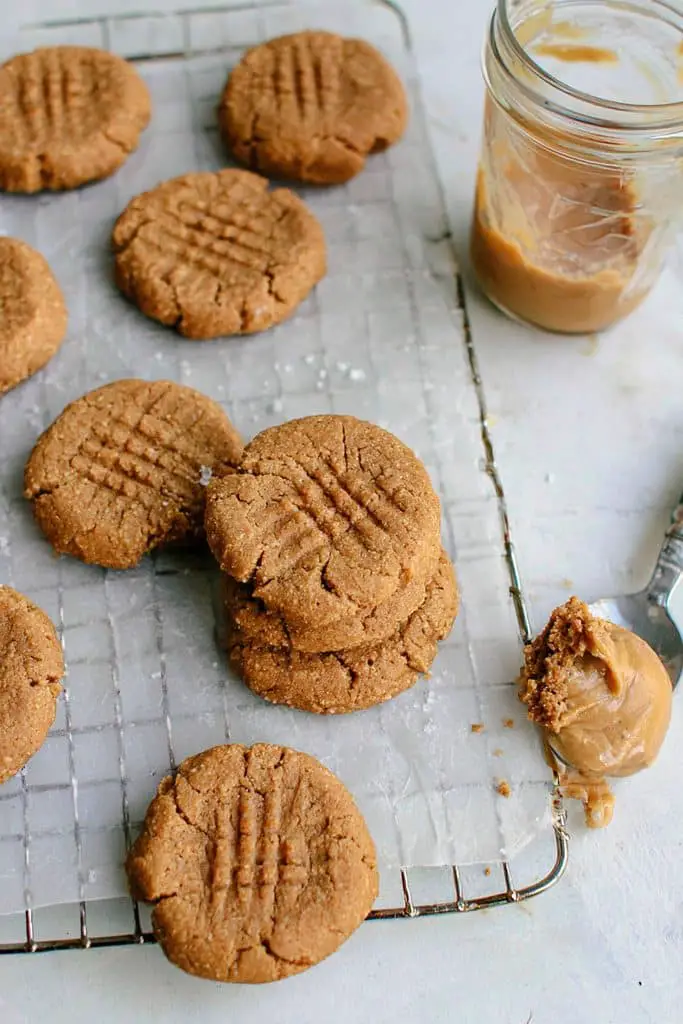
These cookies are lovely with plain Greek yogurt and fresh berries when you want a snack that combines protein, fruit, and a little sweetness. They also pair nicely with a banana and a glass of milk or a simple protein smoothie after a workout.
For a quick breakfast on busy weekdays, enjoy one or two cookies alongside yogurt or a bowl of oatmeal. If you’re putting together a healthier snack platter for family or friends, serve them with sliced apples, strawberries, and a small bowl of yogurt for dipping.
They’re also a nice addition to a holiday dessert table when you want a smaller, peanut-butter-flavored treat among richer desserts. Just remember that these cookies are a snack rather than a complete meal, so pair them with other foods when you need something more filling.
Frequently Asked Questions
1. Can I make low calorie high protein peanut butter cookies without protein powder?
Yes, but you’ll need to adjust the recipe because protein powder provides both structure and protein. Try replacing it with a suitable amount of oat flour, adding it gradually until the dough holds together. The cookies will have less protein, and their calorie content will depend on the replacement and sweetener you use.
2. Can I make these cookies in an air fryer?
Yes. Preheat the air fryer to about 320°F (160°C) and place the cookies on parchment suitable for air-fryer use. Cook for approximately 6-9 minutes, checking early because air fryers vary. Make sure the parchment is secured beneath the dough and cannot blow toward the heating element.
3. Are low calorie peanut butter cookies good for weight loss?
They can fit into a weight-loss eating plan when the portion size and overall daily calorie intake suit your needs. Peanut butter contains healthy unsaturated fats, but it is calorie-dense. Measuring the ingredients and keeping the cookies small makes portion control easier. No single food causes weight loss on its own.
4. Why did my protein cookies turn out dry or crumbly?
The most common reasons are too much protein powder, not enough moisture, or overbaking. Different protein powders absorb different amounts of liquid, so adjust the dough gradually rather than following the liquid amount blindly. Removing the cookies while the centers are still slightly soft also helps them stay tender.
Low Calorie Protein Peanut Butter Cookies
Ingredients
- ½ cup 128 g smooth peanut butter
- ½ cup about 50-60 g vanilla protein powder
- 1 large egg white
- 2-3 tbsp granulated zero-calorie baking sweetener
- 1 tsp vanilla extract
- ½ tsp baking powder
- ⅛ tsp salt or to taste
- 1-3 tbsp water or unsweetened almond milk as needed
Instructions
- Preheat the oven to 350°F (175°C) and line a baking tray with parchment paper.
- Mix the peanut butter, egg white, sweetener, and vanilla until smooth.
- Stir in the protein powder, baking powder, and salt. Add liquid gradually until the dough holds together.
- Divide into 12 balls, arrange on the tray, and flatten gently with a fork.
- Bake for 8-10 minutes, until the edges are set and the centers remain slightly soft.
- Cool on the tray for 5-10 minutes before transferring to a rack and serving.